
Fibroids: very common, sometimes problematic
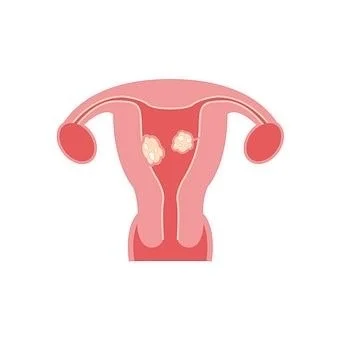
A homeopathy teacher of mine once said that whatever our body makes, it can un-make[i]. If true, this is encouraging for women suffering with fibroids, benign growths of fibrous tissue growing in or near the uterus that are usually harmless but can sometimes become large and very bothersome. More than half of pre-menopausal women have fibroids and most don’t ever know it[ii]. As you will see, fibroids are often associated with hormone imbalance, so directly addressing this can lead to a positive outcome.
Basic facts
Fibroids often remain undiagnosed until discovered during a routine physical exam. This is because they frequently do not cause symptoms and disappear on their own, especially after pregnancy (when they can grow quite large) and during menopause.
If you do have symptoms, though, it is important not to self-diagnose. This is because the symptoms of fibroids can be confused with other conditions such as endometrial polyp, adenomyosis, adenomyoma or ovarian cysts. The presence of fibroids can be determined through a pelvic exam, imaging to identify the number and size of the fibroids, and a formal diagnosis from your medical provider. (Homeopaths address conditions mainly by means of individualized symptoms, but like most other conditions fibroids it’s important to know exactly what we are dealing with).
Symptoms of fibroids include: a sensation of fullness in the lower abdomen, pain and menstrual cramping, bleeding between periods, extremely heavy menstrual flow (which can result in anemia), frequent urination, constipation, chronic back pain and pain during sex.
Conventional medical treatment for fibroids is recommended particularly when there is disruption of functioning such as excessive bleeding or pressure on other organs. Treatment options include surgical removal and other procedures that cut or block the blood supply to the fibroids. Drug therapy options that limit estrogen and increase progesterone have grown in recent years, with the main aim of reducing the time required for, and complications from, surgery[iii].
A homeopathic assessment of your fibroids
If serious consequences of fibroids have not occurred (such as high blood loss or bowel obstruction), adjunct homeopathic care is a viable option. You will be asked about individualizing symptoms such as: the nature of the pain; local sensations in the lower abdomen other than heaviness; the timing, color and consistency of menstrual flow. Other symptoms might be present such as thyroid nodules, elevated liver enzymes, anemia, high blood pressure, breast cysts and recurring urinary traction infections.
It can also be important to identify changes that may have taken place before the fibroids developed, such as a miscarriage, hormone-based contraceptive use, other hormone treatment, cortisone treatment, sexual trauma; or a history of metal toxicity.
Homeopathic care
Homeopathic medicines, which are federally recognized in the US, are prescribed that address as many of your symptoms as possible. Then your response to the remedy will be monitored over a few or several months.
Depending on other specifics of your case (such as thyroid, parathyroid or liver issues), “cell salts” may be prescribed to support specific organs. Additionally, special remedies called “sarcodes” might be prescribed to support the endocrine system as a whole[iv] .
Adjunct care could include abdominal massage, a technique that can relieve the discomfort resulting from fibroids. It can be self-applied or sought from a licensed massage therapist[v].
Finally, it can help to be re-examined by your medical provider or have repeat imaging done during or after homeopathic care in order to confirm if indeed your body is “unmaking” the fibroids.
To learn more about how I could help you with your fibroids, call me for a free 15-minute consultation or schedule one through the online scheduler.
[i] A big thank you to Karen Allen LHP, consummate teacher and healer, for some of the material in this article.
[ii] Mension, E, J Calaf C Chapron M Dolmans J Donnez L Marcellin F Petraglia S Vannuccini F Carmona (2024) “An update on the management of uterine fibroids: personalized medicine or guidelines?” Journal of Endometriosis and Uterine Orders (7): http://doi.org/10.1016/j.jeud.2024.100080
[iii] Farris, M, C Bastanielli E Rosato I Brosens G Benagiano (2019) “Uterine fibroids: an update on current and emerging medical treatment options” Therapeutics and Clinical Risk Management 15: 157–178 https://www.ncbi.nlm.nih.gov/pmc/articles/PMC6350833/pdf/tcrm-15-157.pdf
[iv] James Compton Burnett. Organ Diseases of Women. 1897 (1st ed.). Whitefish MT: Kessinger (2018); Harvey Farrington. Homeopathy and Homeopathic Prescribing. 1955 (1st ed.); Edwin Hale. Materia Medica and Special Therapeutics of the New Remedies, Vol. 2 1897 (1st ed.). London: Forgotten Books (2017).
[v] Elaine Stillerman. “Uterine fibroids”. Massage Today March, 2010, Vol. 10, Issue 03.